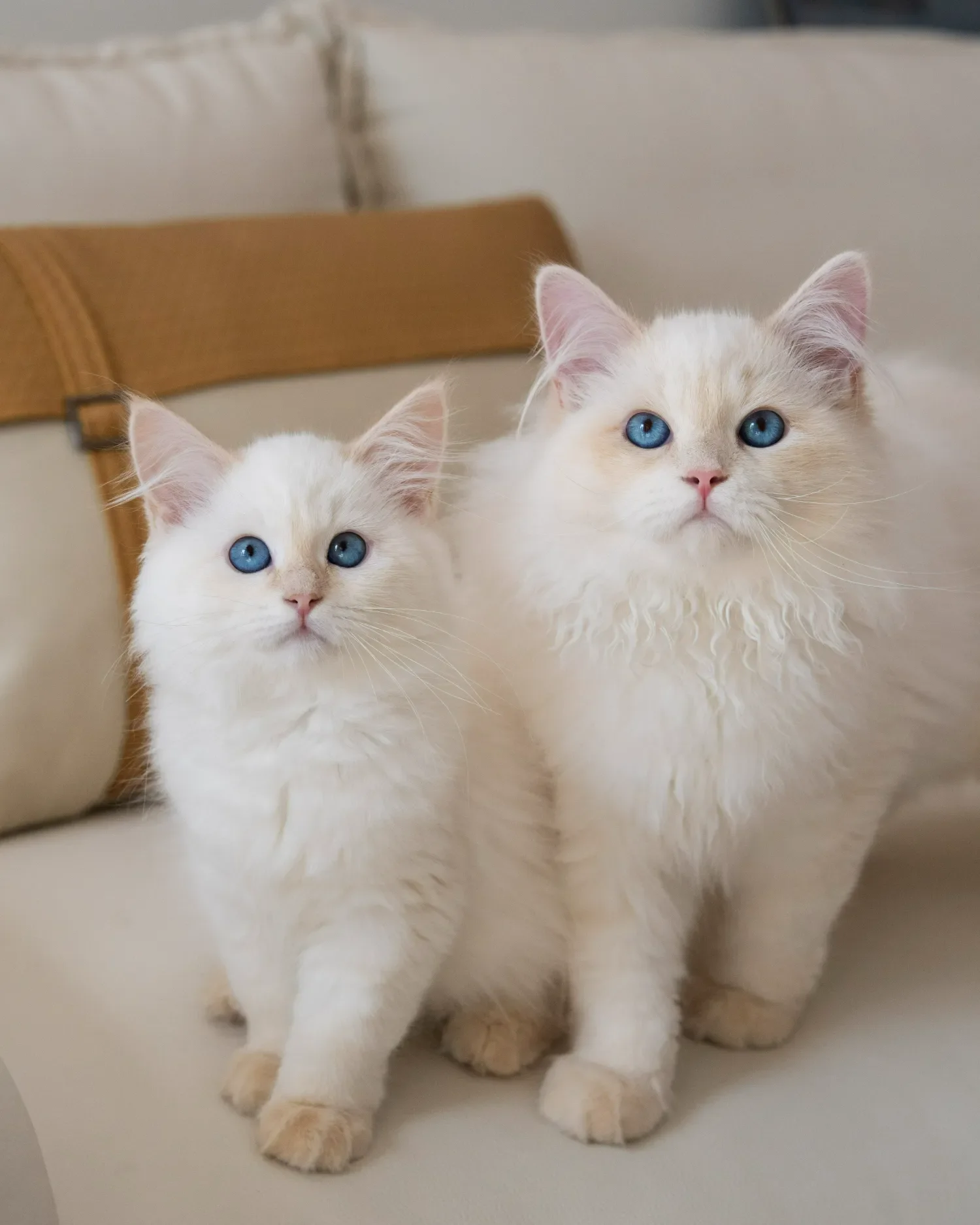
Choosing our breedersHow we choose our European breeders behind every kitten
Every Fluffydolls kitten comes from a small circle of ethical European home breeders, chosen with care. Here's where your kitten comes from, how we decide who to work with,and the standards behind its start in life.
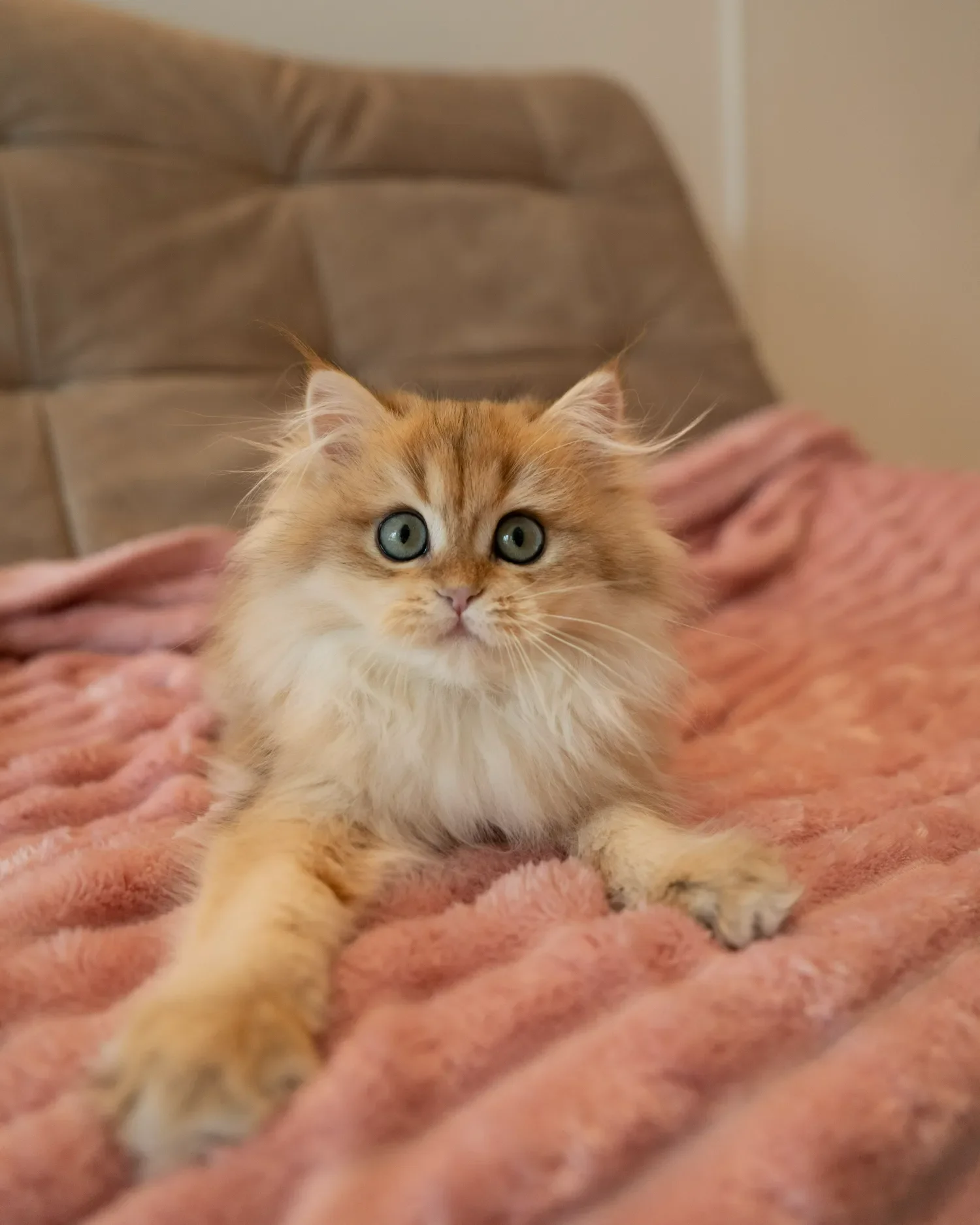
Where our kittens come fromWhere your imported pedigree kitten comes from
At a glance:
Fluffydolls kittens come from a small circle of ethical home breeders overseas, in the rabies-free countries Singapore allows without quarantine: the UK, Australia, Ireland and New Zealand.
We choose those breeders through referrals and personal visits, looking for health-tested parents, home-raised litters and a focus on temperament. Kittens arrive at around three and a half months old, once vaccinated and past the required waiting period.
Singapore allows kittens to be imported without quarantine from four rabies-free countries: the UK, Australia, Ireland, and New Zealand. Kittens arrive at around three and a half months old, once they've completed their vaccinations and the required waiting period.
But where a kitten comes from matters far less than who raised it. Every country has responsible breeders and ones who cut corners, and what actually makes the difference is how a kitten is raised, the home it grows up in, and the standards behind the breeding programme. From the very beginning, our focus has been simple. We bring in kittens that are raised in loving homes, properly socialised, and given the right start in life.
We also care about the temperament of the breeding cats themselves, not only the kittens. A kitten learns from its mother from its very first weeks, so calm, well-socialised parents, raised with love and respect over generations, are a huge part of what produces a confident, affectionate cat.

Why we importWhy we import rather than breed locally in Singapore
Before we imported kittens, we were breeders ourselves. Those early years gave us a clear understanding of what a healthy, well-raised kitten should look like and how a responsible breeding programme should run, and because we've been on the breeder's side, we know which questions to ask and what to look out for.
We stepped away from breeding locally for a reason. In recent years, breeding is only permitted in Singapore under a farm licence, which means operating at a specified, larger, commercial scale. The scale, the location and the environment that comes with it simply don't align with our values, or with what we know a kitten needs. Cats deserve to grow up underfoot in a family home, not raised as part of an operation.
So instead of scaling up, we did the opposite. We chose to work closely with a small group of ethical breeders overseas who raise their cats exactly the way we would, in their own homes, as part of the family, so every kitten arrives already used to the warmth, sounds and rhythm of real family life.

Our selectionHow we choose the breeders we work with
Finding the right breeders is one of the most important parts of what we do. Most of the breeders we work with come to us through referrals within a trusted network, because experienced breeders tend to know who genuinely puts their cats first and who does not.
When we consider working with someone new, we start with a proper conversation. We want to understand who they are, how they raise their cats, how many breeding cats they keep, and what they're working towards. A good breeder always has a clear vision for their breed, and when someone can't explain what they're building towards, it usually tells us something about their direction and commitment.
Non-negotiablesThe standards we won't compromise on
These are the things every breeder we work with has to meet, without exception.
Transparency and honesty
When we ask for health-test results or specific details, how a breeder responds tells us everything. Open, clear answers are a good sign. Vague or delayed ones usually mean something is being avoided.
Health-tested parent cats
The breeders we work with health test their parent cats for breed-relevant genetic conditions, avoid overbreeding, and give proper care and attention to every litter. Genetic testing is a vital foundation, though responsible breeding goes further, because smaller traits and sensitivities only show as a kitten grows. Health and welfare are non-negotiable.
Temperament over trophies
We're wary of breeders who chase show titles above all else, because selection can drift towards looks rather than temperament. We choose kittens for homes, not for trophies, so a gentle, well-adjusted nature always comes first.
Real value, never bargains
We avoid breeders who undervalue their kittens. Unusually low prices, or deals like buying several kittens at a discount, often point to large-scale, profit-driven operations. Breeders who invest real time and care simply don't work that way.


Seeing it ourselvesWe see the home before we trust the kitten
If everything aligns, we arrange a video call to see the breeder's home and how the kittens are raised. We watch how the cats interact, how comfortable they are, and whether they're genuinely well-socialised, because cats reflect their environment very honestly.
For any new partnership, we travel personally to bring the kittens home, so we can see everything firsthand and build a real relationship with the breeder. Over time, these relationships matter. When a breeder has an exceptional litter, they often come to us first, because they know the kind of homes our kittens go to.

A partnership, not a purchaseA relationship with our breeders, not a transaction
We don't simply import kittens blindly. Over the years, having watched so many of our kittens settle into homes here in Singapore, we've built up a real understanding of what helps a kitten adapt well, emotionally, behaviourally, and physically, over the long term. Because our kittens keep coming back to us for grooming, boarding and follow-ups, we go on observing them for years, and that gives us long-term feedback most breeders never get to see once a kitten is sold.
We take what we learn back to our breeders. We see ourselves as a bridge between them and the families here, helping them understand how their kittens grow up in real homes over time, so the next generation keeps getting better. It's why we work only with breeders who value that kind of feedback and want to keep improving, rather than a simple buyer and seller arrangement. And when we need another perspective, we're fortunate to have a trusted network of breeders and vets, both here and overseas, to call on.
Very few catteries ever get this feedback loop. It is the quiet thing that makes the biggest difference to the kittens we bring in.

Choosing each kittenHow we choose each kitten we bring in
Choosing a kitten is never just about appearance. We do appreciate good structure and features, but health and temperament always come first. We're also very clear with our breeders about our standards. We don't take very small or weaker kittens, because the journey to Singapore is demanding, and we want kittens that are strong, healthy, and ready to settle comfortably into their new homes.
We also make our selection only once a kitten is at least ten weeks old. At a younger age it's difficult to properly assess health, eating habits, structure, and development. By waiting, we can make more confident decisions and make sure each kitten is truly ready. That extra time makes a meaningful difference, both for us and for the families who bring them home.
Health and paperworkThe health checks and paperwork behind every kitten
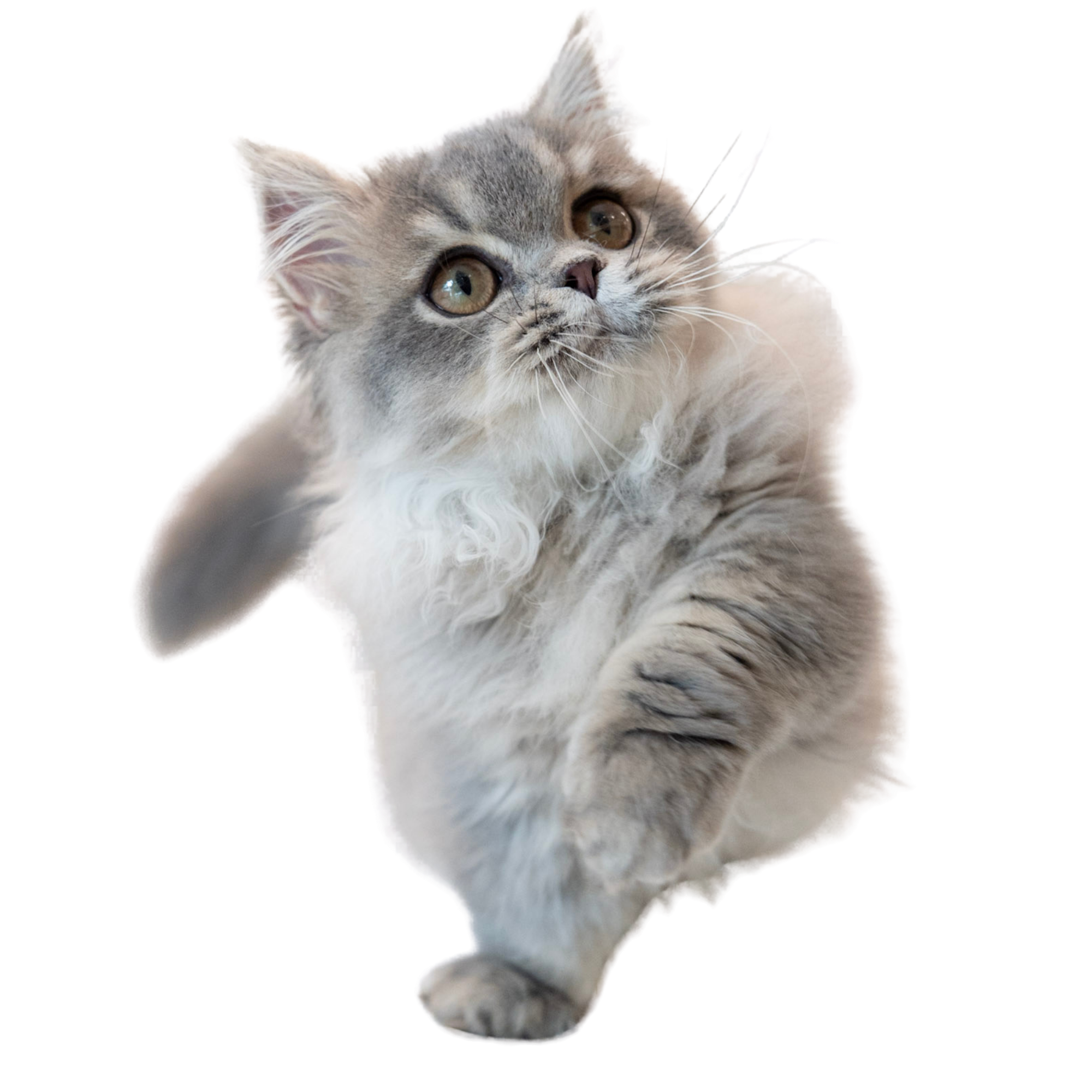
Before a pedigree kitten travels, its parents should be DNA tested for breed-relevant conditions, and the kitten itself should be vaccinated, dewormed, microchipped, tested clear of FIV and FeLV, and examined by a government-approved vet who issues an export health certificate.
At Fluffydolls you see the parents' results and your kitten's full paperwork openly at your viewing.
Here is exactly what stands behind the health of a Fluffydolls kitten that we guarantee:
DNA-tested parents for breed-relevant genetic conditions such as HCM, PKD and PRA, so inherited risks are screened out before breeding.
FIV and FeLV negative, confirmed before the kitten leaves its home country.
Fully vaccinated and dewormed, on the schedule required for import.
Microchipped for permanent identification.
Government-vet examined, with an official export health certificate issued before travel.
Selected from ten weeks old, so health, appetite, structure and development can all be properly assessed first.
You can read the fuller story of what arrives with your kitten on the process page, and more on the imported-versus-local question in our guide to choosing a pedigree kitten in Singapore.
Choosing a breeder yourselfHow to choose a cat breeder, and the questions worth asking
Everything above is how we vet the breeders and the kittens behind Fluffydolls. We also think every family should be able to judge a breeder for themselves, wherever they end up buying, because choosing a kitten is a fifteen to eighteen year decision. So it's worth asking questions and watching how they're answered.
Here is what a trustworthy breeder or cattery is happy to talk about, and the signs that tell you to keep looking.
Questions worth asking
Can I see the parents' health-test results and the kitten's paperwork?
How and where are the kittens raised and socialised?
How many breeding cats do you keep, and how often do you breed them?
At what age do kittens go home, and why?
What support do I get after go-home day?
What is your AVS licence number? (for anyone breeding or selling in Singapore)
Signs to walk away from
Vague or delayed answers when you ask about health testing.
Very young kittens offered before they can be properly assessed.
No licence, or reluctance to share it.
Unusually low prices, or buy-more-for-less deals.
Kittens raised in cages rather than a real home.
Any pressure, urgency or guilt used to close a sale.
Pro Tip:
When we ask a breeder for health results and they share them openly, that tells us something. But these days almost any breeder can produce a health certificate, and there's no guarantee it's even for the actual breeding cat. What tells us more is asking for a video call. Notice how quickly a breeder agrees, and once you're on, watch how their breeding cats behave around them and interact with the kittens. Vague or delayed answers, or a reluctance to get on a call at all, usually mean something is being avoided. It's the standard we hold ourselves to.

We've already asked all of this, so you don't have to
Every breeder behind a Fluffydolls kitten has been through the standards and questions on this page.
Tell us what you're hoping for, and we'll help from there.
Answering your Frequently Asked Questions about our breeders and imported kittens
-
Our kittens are imported from a small circle of home breeders in the rabies-free countries Singapore allows without quarantine: the UK, Australia and Ireland. They arrive at around three and a half months old, after completing their vaccinations and the required waiting period.
-
Ask to see the parents' health-test results and the kitten's full paperwork, and ask the questions that tell you how the cats actually live: how and where the kittens are raised, how many breeding cats they keep, what age the kittens go home, and what support you'll get once yours does. If you're buying in Singapore, ask for their AVS licence number too.
Health-test results are worth asking for, but treat them as a starting point rather than proof on their own. Almost anyone can produce a certificate these days, and there's no guarantee it even belongs to the actual breeding cat. What tells you far more is how a breeder answers everything else. Someone who genuinely cares will talk openly and happily; if the answers feel vague or keep getting delayed, that usually means something is being avoided.
The most honest test is often the simplest one: ask for a video call. Notice how quickly they say yes, and once you're on, watch how their breeding cats behave around them and with the kittens. Calm, affectionate cats that clearly trust their person will tell you more than any document can. And if a breeder is reluctant to get on a call at all, that hesitation is usually its own answer.
-
Be cautious of vague or delayed answers about health testing, very young kittens offered before they can be properly assessed, no licence or reluctance to share it, unusually low prices or buy-more-for-less deals, kittens raised in cages rather than a home, and any pressure or urgency to buy. Responsible breeders who invest real time and health-testing simply don't undercut everyone else.
-
The parent cats should be DNA tested for breed-relevant genetic conditions such as HCM, PKD and PRA. Each kitten should be FIV/FeLV-negative, fully vaccinated, dewormed and microchipped, and examined by a government-approved vet who issues an export health certificate before travel. At Fluffydolls you can see the parents' results and the kitten's paperwork at your viewing.
-
We handle the whole import for you, so the cost is already built into the price of your kitten. That covers the overseas health testing and vaccinations, the government export checks and health certificate, the travel, and the settling-in once the kitten arrives. Importing a kitten yourself is possible, but it means arranging all of that alone, with no local support if anything goes wrong in the first weeks.
-
Breeding in Singapore is only permitted under a farm licence, which means larger, commercial-scale operations, and that doesn't fit how we believe cats should be raised. We started as breeders ourselves, then chose to partner with a small group of ethical overseas home breeders so every kitten is raised in a real home.
-
Country matters far less than how a kitten is raised. Every country has excellent breeders and careless ones. What makes the difference is a loving home environment, proper socialisation, and health-tested parents, and that is what we select for wherever a kitten comes from.
-
Mostly through referrals within a trusted network, followed by a proper conversation about how they raise their cats and what they're working towards. We look for transparency, health-tested parents, no overbreeding, and a focus on temperament rather than show titles. When it aligns, we video-call to see their home and travel to meet them in person.
-
We don't just buy and import. Because our kittens come back to us for grooming and boarding, we observe them for years in real Singapore homes and feed what we learn back to our breeders, so future litters keep improving. We think of ourselves as a bridge between our breeders and the families here, and we work only with breeders who value that kind of feedback. We also have a trusted network of breeders and vets, locally and overseas, to consult when we need another perspective.
-
Our breeders health test their parent cats for breed-relevant genetic conditions and avoid overbreeding. Every kitten is also FIV/FeLV-negative, vaccinated, dewormed, and government-vet examined before it reaches Singapore, and you can see the parents' results at your viewing.
-
You'll see the parents' health-test results and your kitten's paperwork openly at your viewing. Every kitten is FIV/FeLV-negative and examined by a government vet before export, and we select kittens only from ten weeks old so their health and development can be properly assessed.
-
Kittens arrive at around three and a half months, once vaccinated and past the required waiting period. We make our selection only once a kitten is at least ten weeks old.
-
We're happy to, as long as temperament comes first. Show titles are fine, but when they become the main priority, selection can drift towards appearance over how a cat actually lives in a home. We choose kittens for homes, not for trophies.

The result of all this careSee the kittens we've chosen
Every kitten we bring in has been through everything on this page. Come and meet them, or tell us what you're hoping for and we'll help from there.