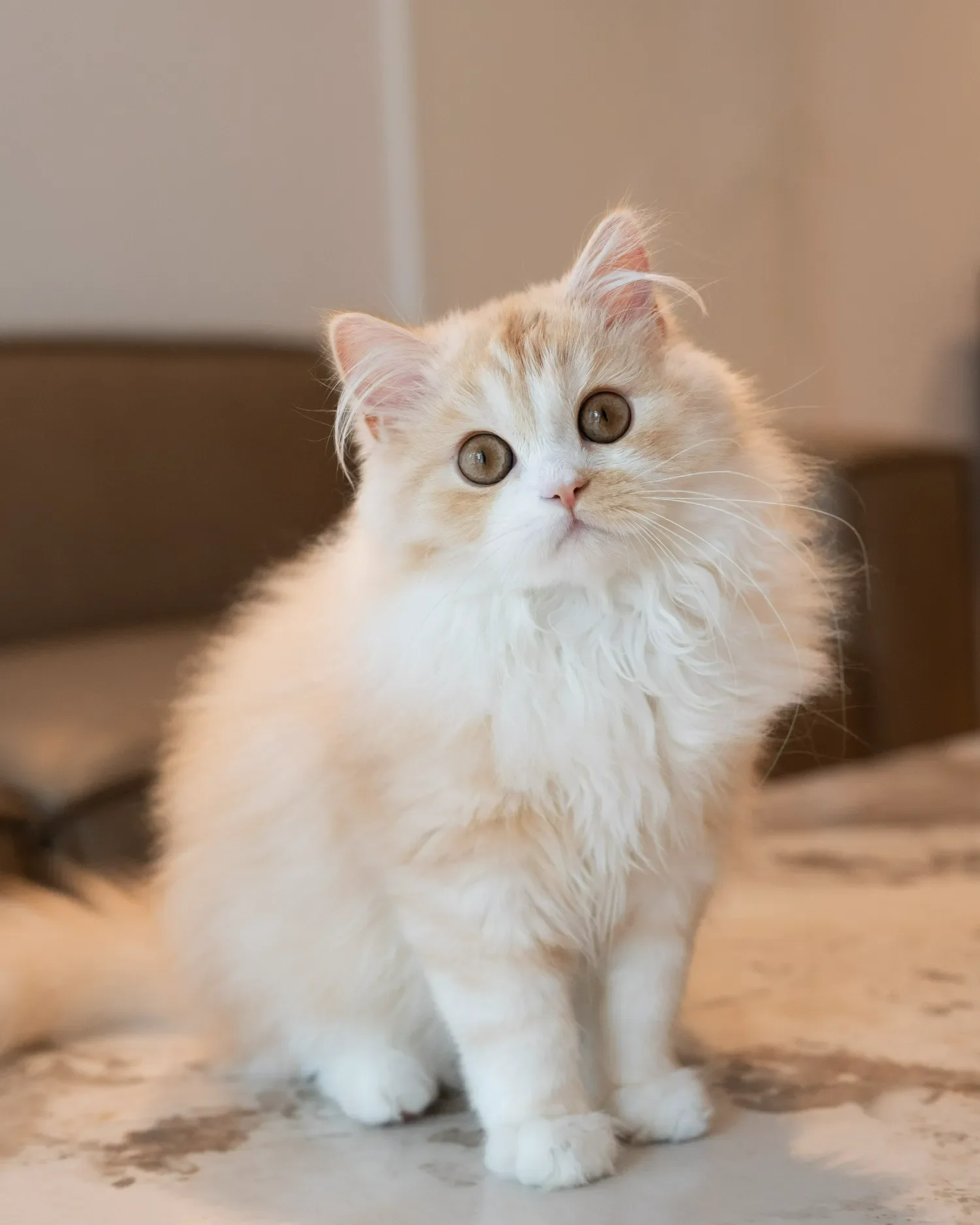
Signature breedBritish Longhair Kittens in Singapore, plush, elegant and wonderfully laid-back
The British Longhair pairs the plush teddy-bear charm of the British Shorthair with a luxuriously soft, semi-long coat. Calm, affectionate and easy to care for, ours are raised in real homes from health-tested European parents, and matched to suit your household.
🐾 Home-raised · Parents DNA & blood tested · Lifetime support
Available British Longhair Kittens
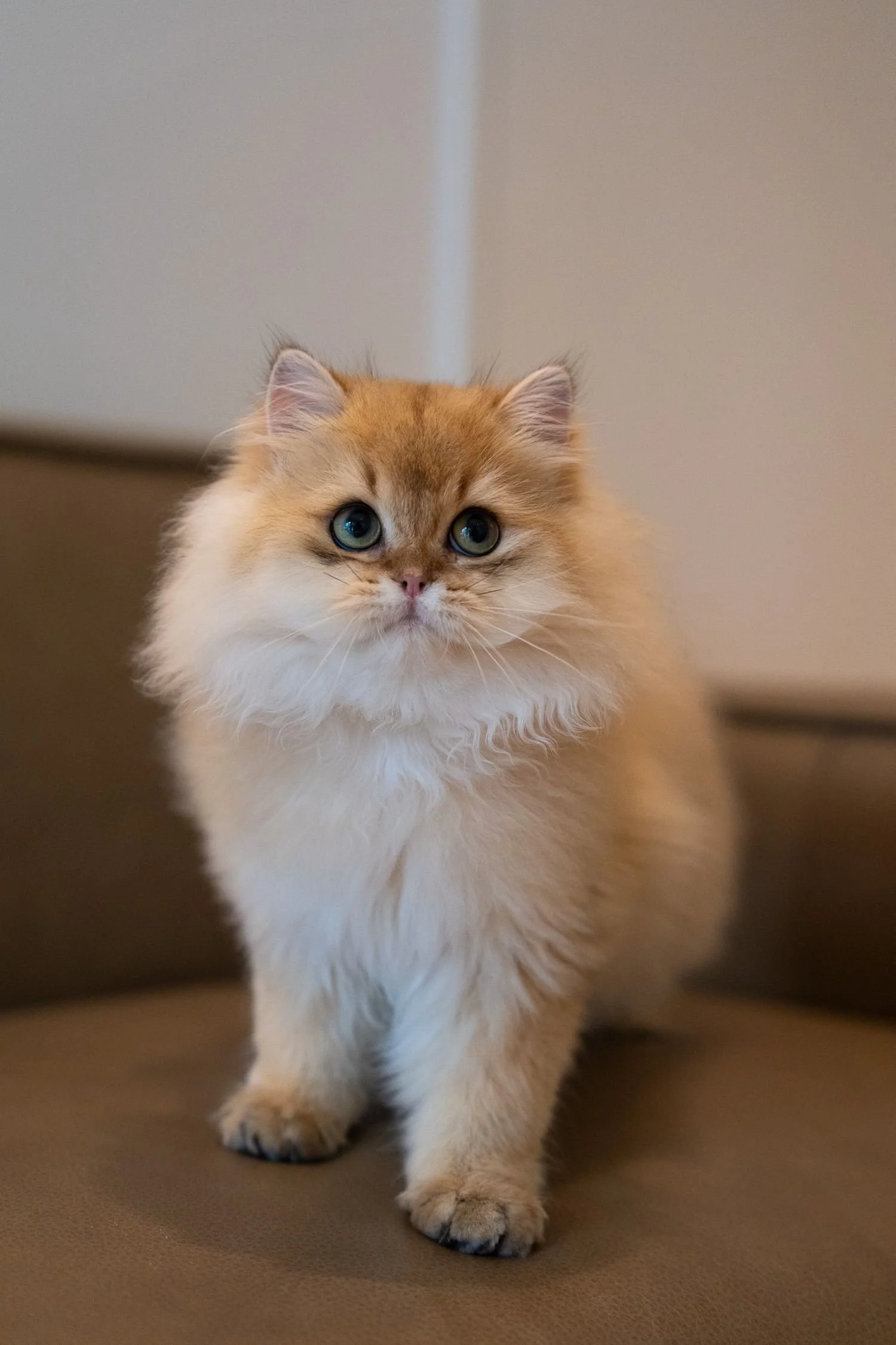
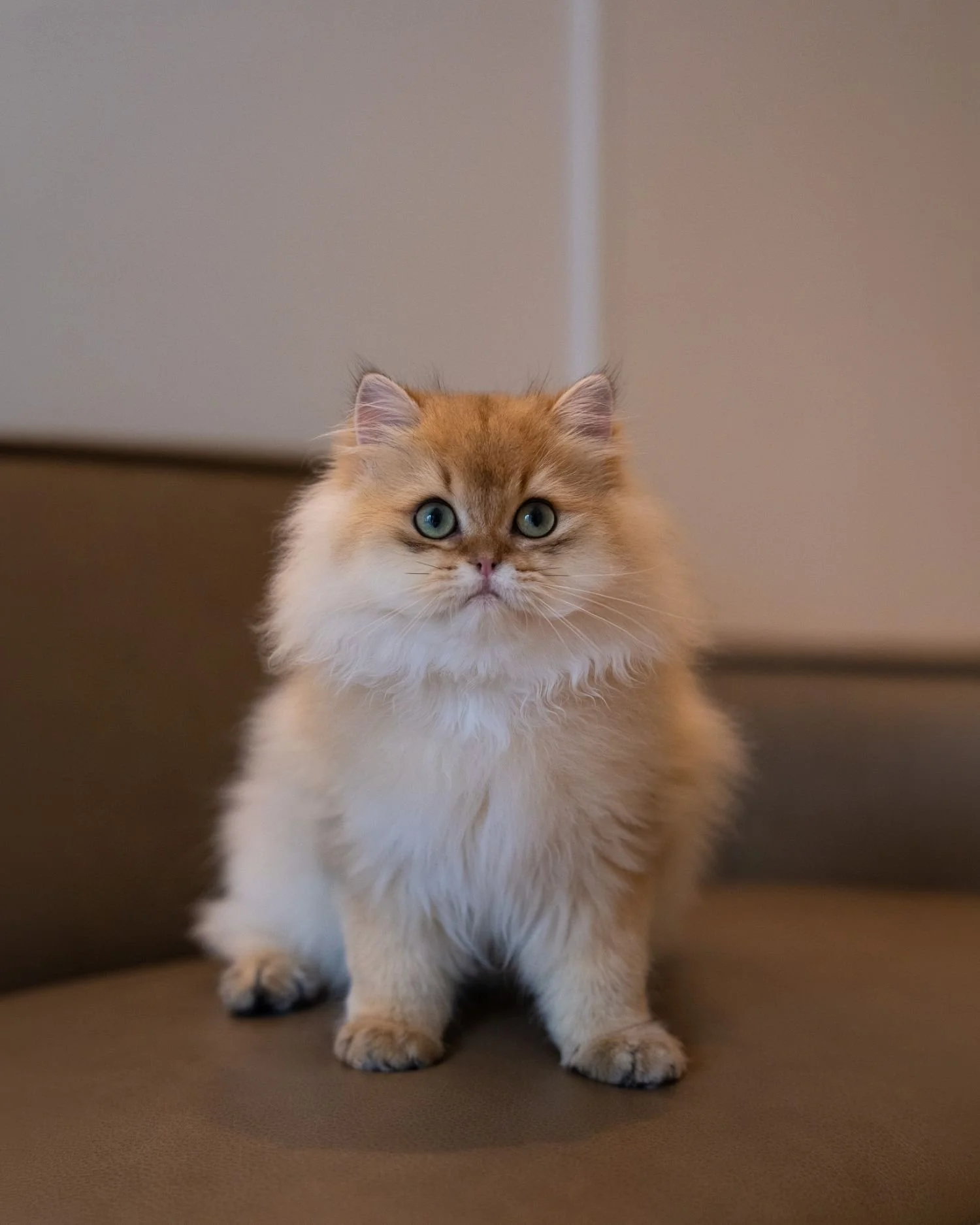
British Longhair Kittens
Coming Soon
The British Longhair at a glance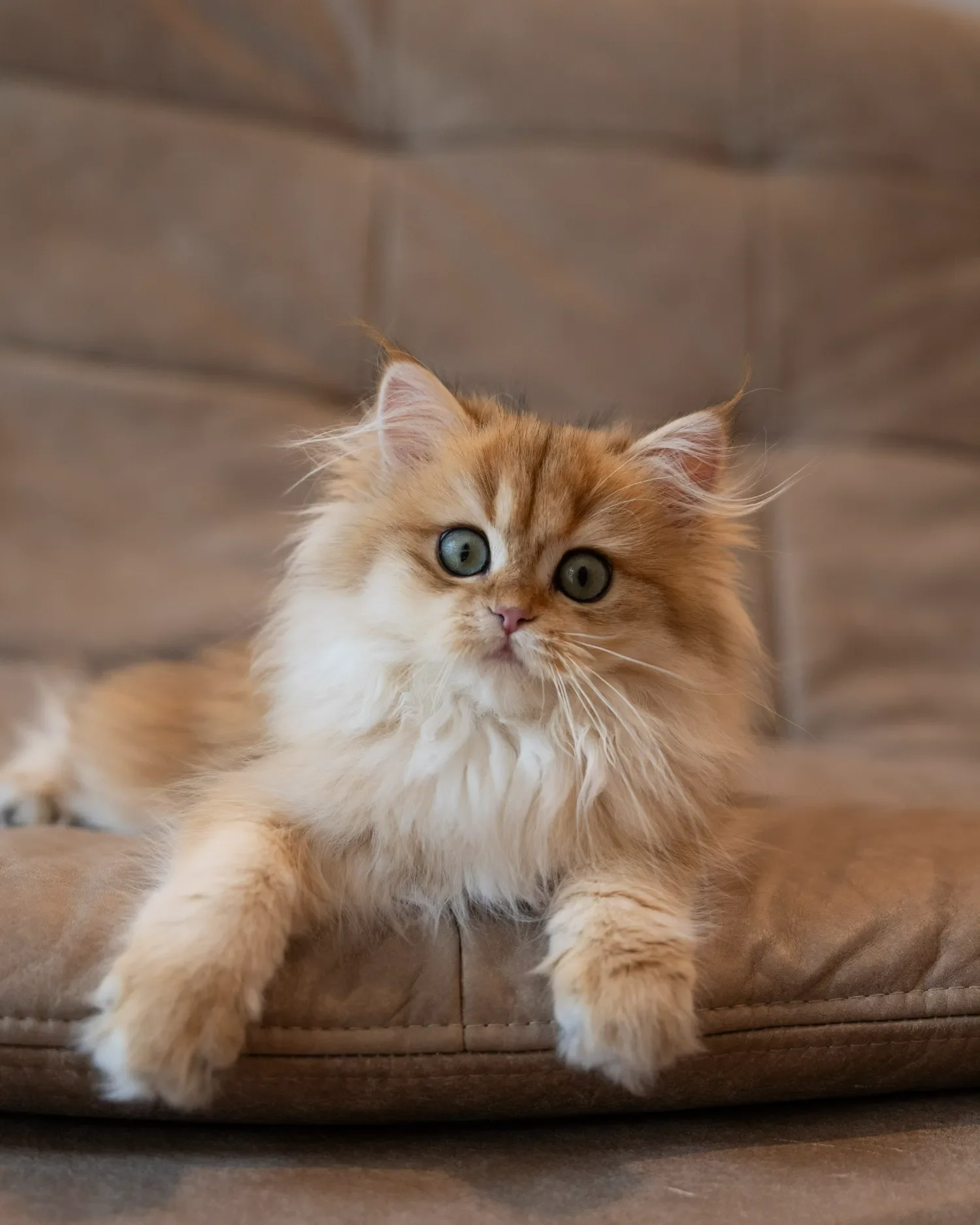
What is a British Longhair cat?
The British Longhair is the semi-longhaired version of the British Shorthair, combining the same plush, teddy-bear charm with a luxuriously soft, semi-long coat. They are calm, affectionate and easy to care for, which makes them perfect for anyone looking for a sweet, laid-back companion with an elegant look. At Fluffydolls we bring in a variety of beautiful colours, including golden, blue golden, calico, colourpoint, and every kitten shares the same gentle, loving temperament the breed is known for.
What to know about the British Longhair breed
TEMPERAMENT
Calm, affectionate and laid-back. Gentle and undemanding, happy to lounge nearby and enjoy quiet company
SIZE
Medium to large and sturdy. Males around 4 to 6 kg, females around 3.5 to 5 kg. Slow to mature over three to five years
COAT
Soft, dense and semi-long with a plush undercoat. Needs a little more brushing than a British Shorthair to stay tangle-free
GOOD WITH
First-time owners, families, busy households, other pets, and HDB or condo homes
LIFESPAN
Around 12 to 16 years with good care, and often longer
LOOK
Round teddy-bear face and big round eyes under a flowing coat. In golden, blue golden, calico, and colourpoint
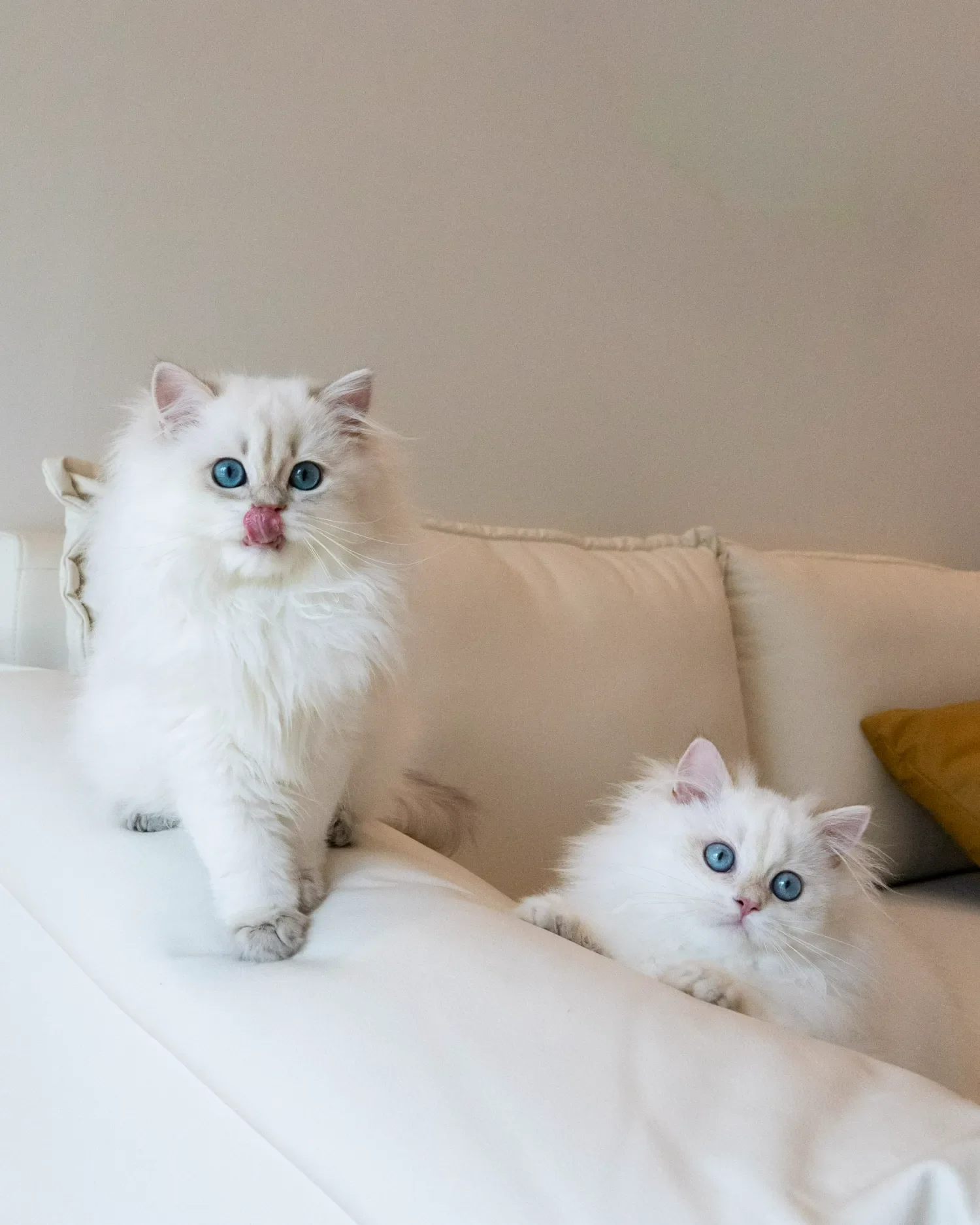
Living with a British LonghairWhat British Longhairs are like to live with
British Longhairs share the same gentle, easygoing nature as their shorthaired cousins, just wrapped in a softer, more flowing coat. They are calm and affectionate companions, playful when they want to be, but mostly content to lounge nearby, watch the world go by, and settle in beside you for a quiet afternoon. Their sweet, people-oriented nature makes them genuinely easy to have around.
They are an independent breed and don't demand constant attention, which makes them a lovely match for busy individuals or families who appreciate a low-maintenance companion. Their sturdy, cobby build and hearty appetite give them the same teddy-bear presence that so many cat lovers adore, only a little fluffier.
With their relaxed temperament, British Longhairs are easy to live with and adapt well to new environments. They are not prone to mischief or destruction, and with basic enrichment like a scratching post and a few cosy spots to nap, they are more than happy to relax peacefully at home.
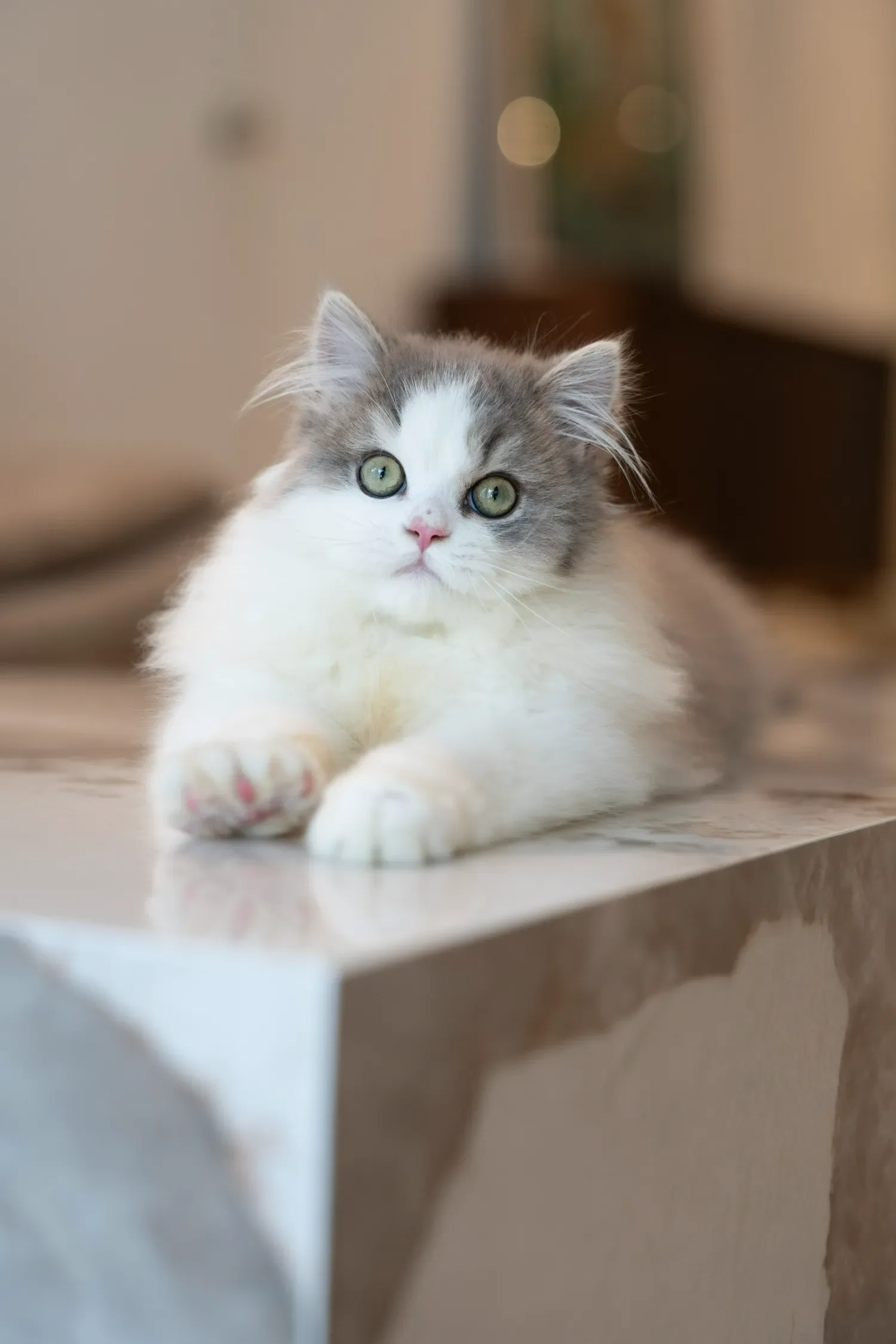
British Longhairs in SingaporeIs a British Longhair the right cat for your home?
For most Singapore households, a British Longhair is a wonderful fit. They adapt happily to HDB flats and condos, they are calm and gentle around children, and their easygoing, independent nature makes them simple to live with, even for busy owners or a first cat. Since September 2024, cats are allowed in HDB flats, with up to two cats per flat and each cat licensed with AVS, so a British Longhair is now a home a great many more families can offer.
Our warm climate suits them well. Because British Longhairs carry a lighter version of their coat here year-round, they don't go through the heavy seasonal shedding seen in colder countries, and they settle comfortably in Singapore homes. Two things are worth knowing: their semi-long coat needs a regular brush to stay tangle-free, and like the British Shorthair they love their food, so we will help you keep grooming simple and portions sensible so your cat stays a healthy weight with a soft, well-kept coat.
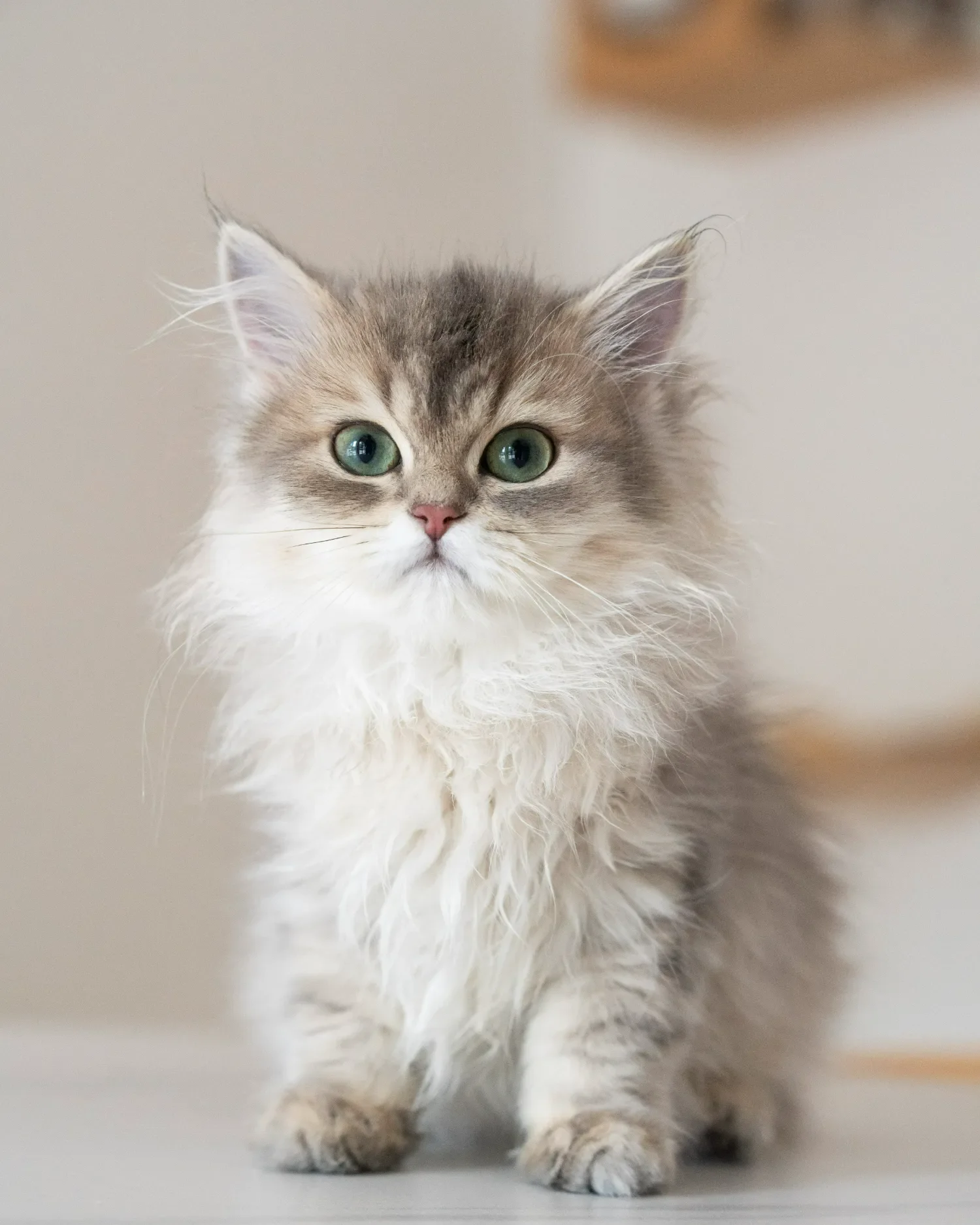
health & testingBritish Longhair health, and why it depends on the breeder
British Longhairs are sturdy, robust cats, but like any pedigree they are healthiest when they are bred responsibly. The breed shares its health profile with the British Shorthair, and the conditions that matter most are HCM, a heart condition, and PKD, which affects the kidneys and traces back to older Persian lines. British cats also commonly carry blood type B, which is why blood typing the parents matters before they are ever mated.
At Fluffydolls, our British Longhair parents are DNA and blood tested and cleared of breed-relevant genetic diseases, including PKD, with the parents heart-screened for HCM and blood-typed, and you will see those results at your viewing. Every kitten also goes home FIV/FeLV-negative, vaccinated, dewormed and examined by a government vet. These are the behind-the-scenes standards that safeguard the next fifteen years with a happy, confident, healthy cat.
Unfortunately, not every kitten is raised this way. Unethical breeders often overbreed their queens, which stresses the mother and compromises the kittens. The kittens are still sold as "British Longhairs," but what arrives is often far from the relaxed, well-adjusted companion you were hoping for. Poor breeding can lead to:
Behavioural issues from a lack of handling and early socialisation
A higher chance of genetic or congenital health problems
Dull, poorer-quality coat and weaker immune resilience
Kittens that are difficult to handle and don't enjoy affection
We say this not to worry you, but to equip you. Choosing a kitten is more than picking a cute face. It is a fifteen to eighteen year journey, and the cost of the wrong choice tends to be far higher, both emotionally and financially. You can read more about how we choose our breeders.
Grooming and cAREAre British Longhairs easy to groom?
Mostly, yes, though they ask a little more than a British Shorthair. Their soft, semi-long coat has a plush undercoat that can tangle if it is left too long, so a gentle brush two to three times a week keeps it smooth, prevents mats and helps manage shedding. Because Singapore is warm and tropical, British Longhairs here keep a lighter coat year-round, so they don't go through the heavy seasonal sheds that cats in colder climates do.
The good news is that most British Longhairs are so relaxed that grooming becomes a pleasant routine rather than a wrestling match. Once they are used to it, they will often just settle in and let you brush them, trim their nails and check their ears. You can support coat health with a high-quality diet rich in omega-3 and omega-6, which helps minimise loose fur and keeps the coat glossy.
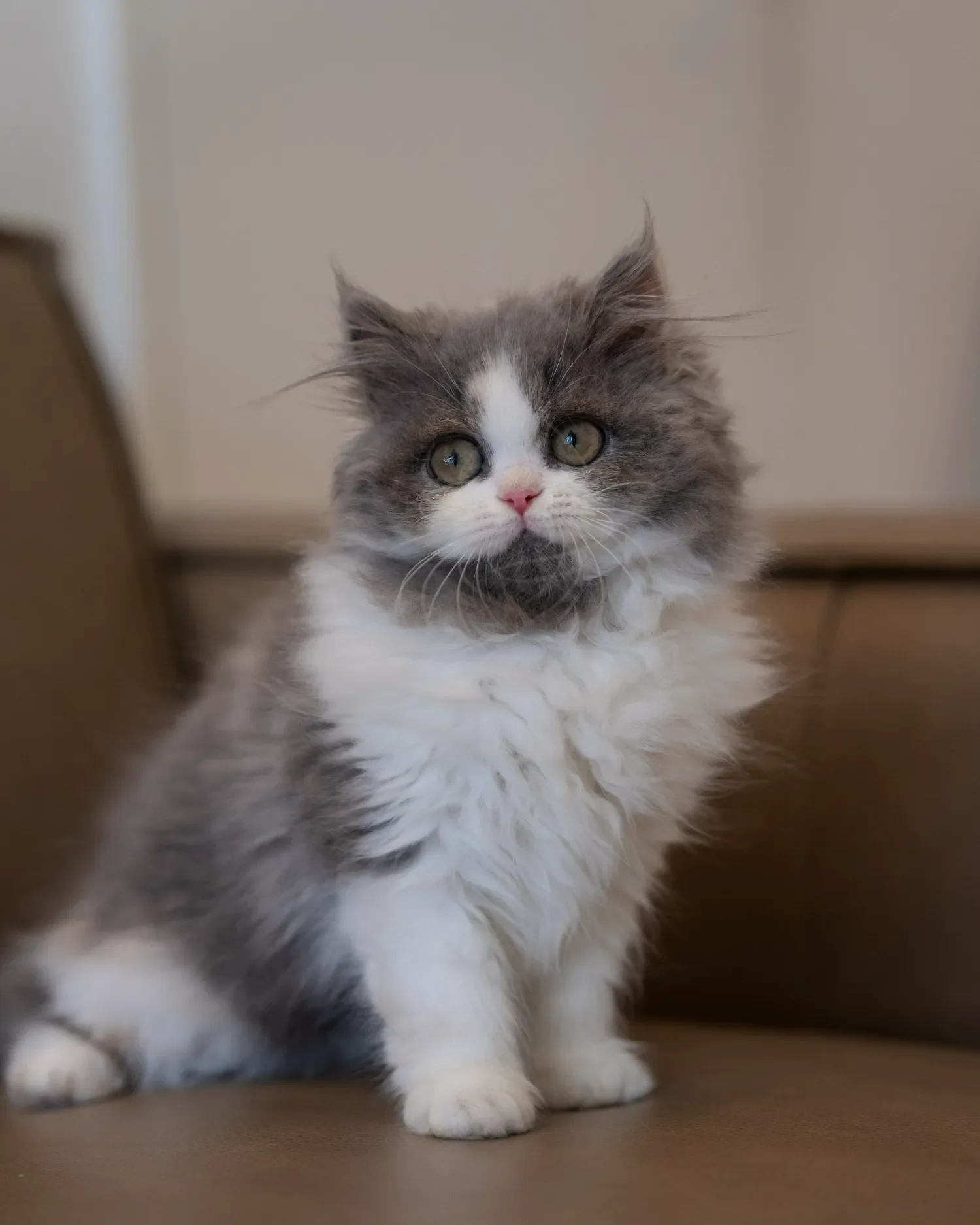
Should I bathe or shave my British Longhair?
British Longhairs are naturally very clean and groom themselves often, and their skin produces natural oils that keep the coat healthy. Bathing too often strips those oils and can cause dryness or irritation, so a bath every two to three months, only if needed, is plenty. Use a gentle, cat-safe shampoo, and avoid commercial grooming salons unless absolutely necessary, since the noise and handling by strangers can be very stressful for cats.
We generally advise against shaving. A cat's coat is a natural layer of protection, and shaving increases the risk of post-clipping alopecia, where the fur grows back patchy or uneven. In a semi-long-haired breed like the British Longhair, the coat may never return to its original plush texture. The only areas worth light trimming are the paw pads, to prevent slipping and litter clumping, and the sanitary area, to keep it clean. Both are simple to do at home, and we will show you how.
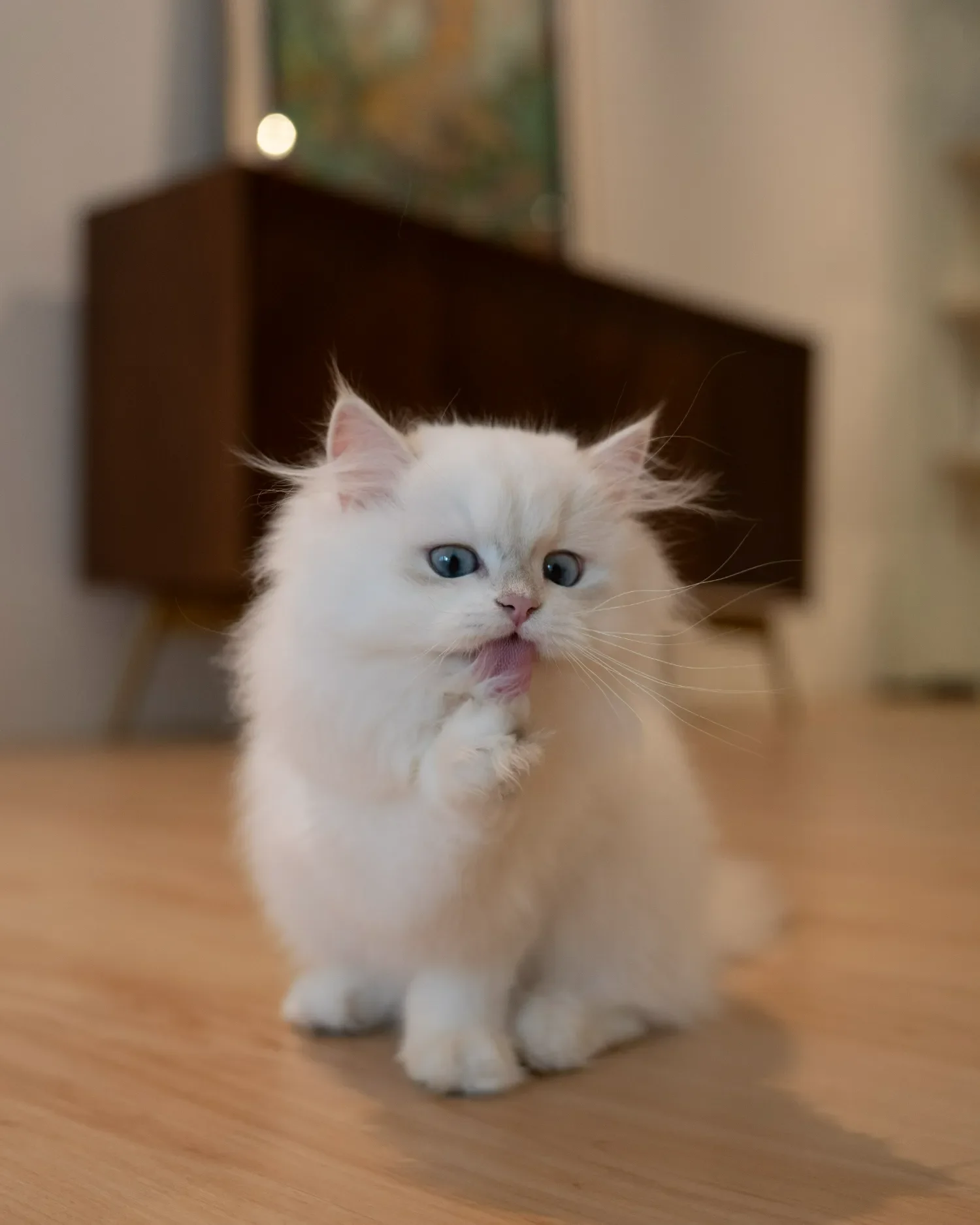
What should I feed my British Longhair?
After years of caring for cats, we have tried it all, from raw and home-cooked to freeze-dried, kibble and canned food. What we have found works best and is most sustainable is a balanced mix of good-quality kibble and wet food. A simple daily routine might be kibble for breakfast, a few freeze-dried bites as an afternoon snack, and a hearty serving of wet food with added water for dinner to support hydration. Because British cats love their food, we also help you keep portions sensible so your cat stays a healthy weight.
A few small extras help too. A scoop of probiotic powder supports gut health, which is closely linked to immunity and digestion, and a few drops of fish oil provide the omega-3s that keep skin and coat healthy and reduce shedding naturally. Every cat is different, so we always advise our kitten owners based on their own kitten's appetite, energy and preferences.
The Fluffydolls differenceHow we raise our British Longhair kittens
Every British Longhair we home is raised the same careful way, because temperament and health matter far more to us than appearance alone.
Health-tested parents
Our British Longhair parents are DNA and blood tested and cleared of breed-relevant conditions including PKD, heart-screened for HCM and blood-typed, with results shown at your viewing. Every kitten is FIV/FeLV-negative, vaccinated, dewormed and government-vet examined.
Raised in a real home
Our kittens grow up around everyday sounds, handling and daily affection from their first weeks, which is how a British Longhair becomes the confident, cuddly cat that enjoys being around people rather than the aloof stereotype.
Matched, and supported for life
We match each kitten to the right home rather than the first buyer, and you join our lifetime owners' group afterwards, with grooming and boarding kept just for Fluffydolls families.
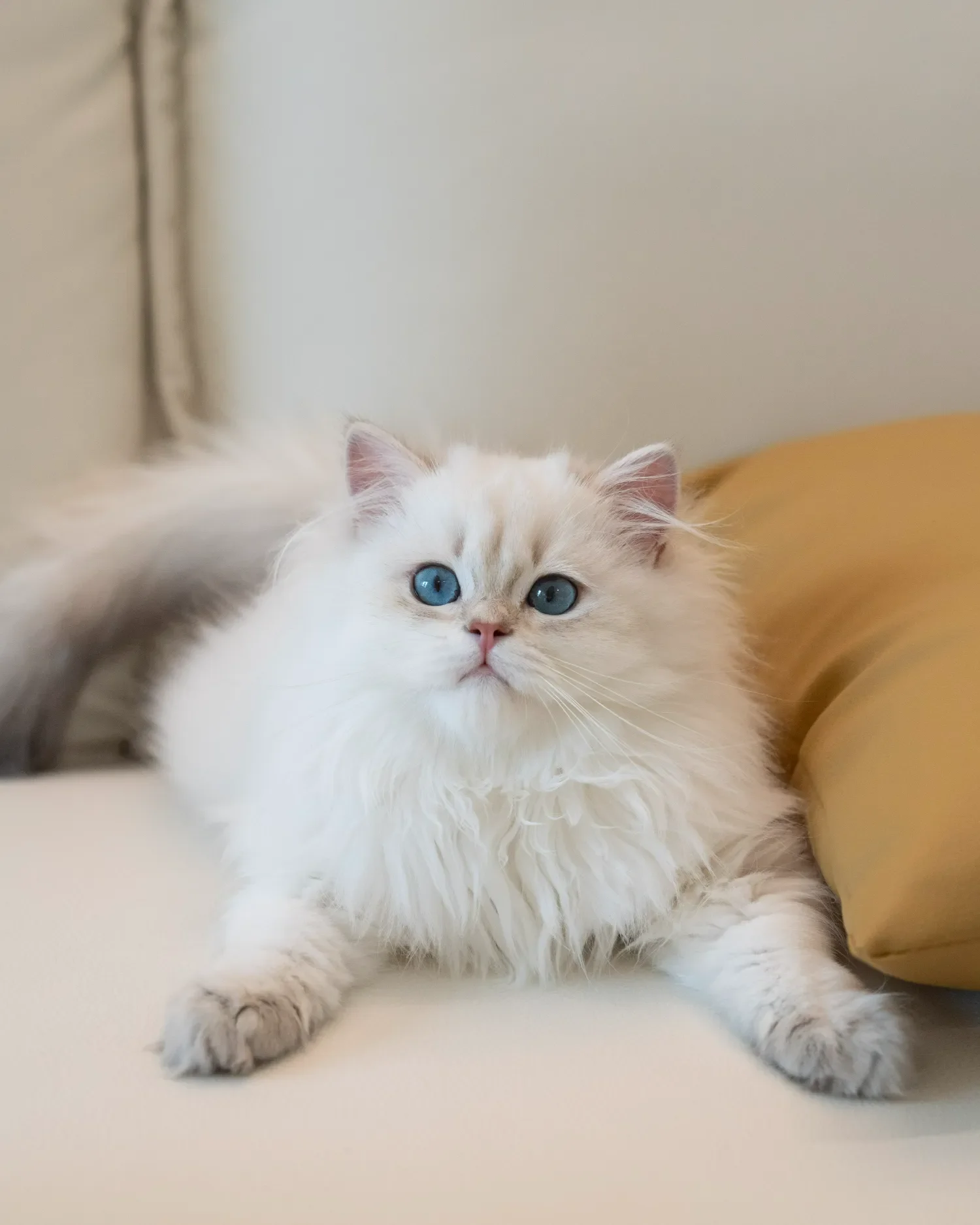
Bringing one homeReserving a British Longhair kitten in Singapore
British Longhair availability changes with our litters, so the best place to start is a message. Tell us a little about your home and what you're hoping for, and we'll let you know what's available or when the next litter is expected. Every kitten goes home with a full starter pack, health records, and our support for the life of your cat.
From there, you're welcome to come for a private viewing, with no pressure to decide. If the timing isn't right yet, you can join the waitlist for upcoming British Longhair litters.
Frequently asked questions about
British Longhair kittens
-
A well-raised British Longhair kitten in Singapore generally sits between S$7,000 and S$9,000, with sought-after golden and colourpoint kittens at the higher end. The price covers health testing of the parents, months of socialisation in a real home, the government export checks, the go-home starter pack, and the years of grooming, boarding and support that follow. We're happy to share current pricing and availability when you reach out, and most families tell us the long-term care is what makes the decision feel right.
-
British Longhairs come in a wide range of colours. At Fluffydolls we bring in golden, blue golden, calico, and colourpoint. Each kitten has its own unique look, but they all share the same soft semi-long coat and the calm, loving temperament the breed is known for.
-
The two breeds share the same sturdy build, round face and calm, easygoing temperament. The main difference is the coat. The British Longhair carries a soft, dense semi-long coat that needs a little more brushing to stay tangle-free, while the British Shorthair has a short, plush coat that is even lower maintenance. Both are affectionate, laid-back and well suited to family life.
-
British Longhairs are a medium to large, sturdy and cobby breed. Males typically reach around 4 to 6 kg and females around 3.5 to 5 kg. They mature slowly and usually fill out into their full build and coat over about three to five years.
-
With good care, a healthy British Longhair usually lives around 12 to 16 years, and often longer. Choosing a kitten from health-tested parents, keeping up with vet care, and maintaining a balanced diet and a healthy weight all help support a long, comfortable life.
-
No. No cat is truly hypoallergenic, and British Longhairs are not among the more allergy-friendly breeds, since they carry a dense semi-long coat and produce normal levels of the Fel d1 protein that people react to. If allergies are a concern, we always recommend spending time with the cats first, and a lower-Fel d1 breed such as the Siberian may suit you better.
-
Yes. British Longhairs are calm, gentle and undemanding, which makes them well suited to families, busy households and apartment living. They are full indoor cats, adapt well to new environments and are not prone to mischief, so they settle happily in a flat. Since September 2024, cats are allowed in HDB flats, with up to two cats per flat and each cat licensed with AVS.
-
A touch more than a British Shorthair, but still easy. The soft semi-long coat has an undercoat that can knot, so two or three brushes a week keep it smooth, with a little extra during shedding. Singapore's warmth keeps the coat lighter year-round. Every kitten arrives already comfortable with brushing, and the first grooming session is on us.
-
Rarely. British Longhairs keep themselves clean, so a bath every two to three months, only if it is truly needed, with a gentle cat-safe shampoo is plenty. Avoid shaving, which can trigger post-clipping alopecia and patchy regrowth. The only trimming worth doing is a light tidy of the paw pads and sanitary area, and we show you how at home.
-
Our British Longhair parents are DNA and blood tested and cleared of breed-relevant conditions, including PKD, with the parents heart-screened for HCM and blood-typed, and you'll see those results at your viewing. Every kitten is also FIV/FeLV-negative, vaccinated, dewormed and government-vet examined before going home.
-
Message us on WhatsApp or Instagram to tell us about your home and arrange a private viewing. If no British Longhair kitten is available right now, you're welcome to join the waitlist for upcoming litters. A deposit then reserves your kitten while you prepare your home.
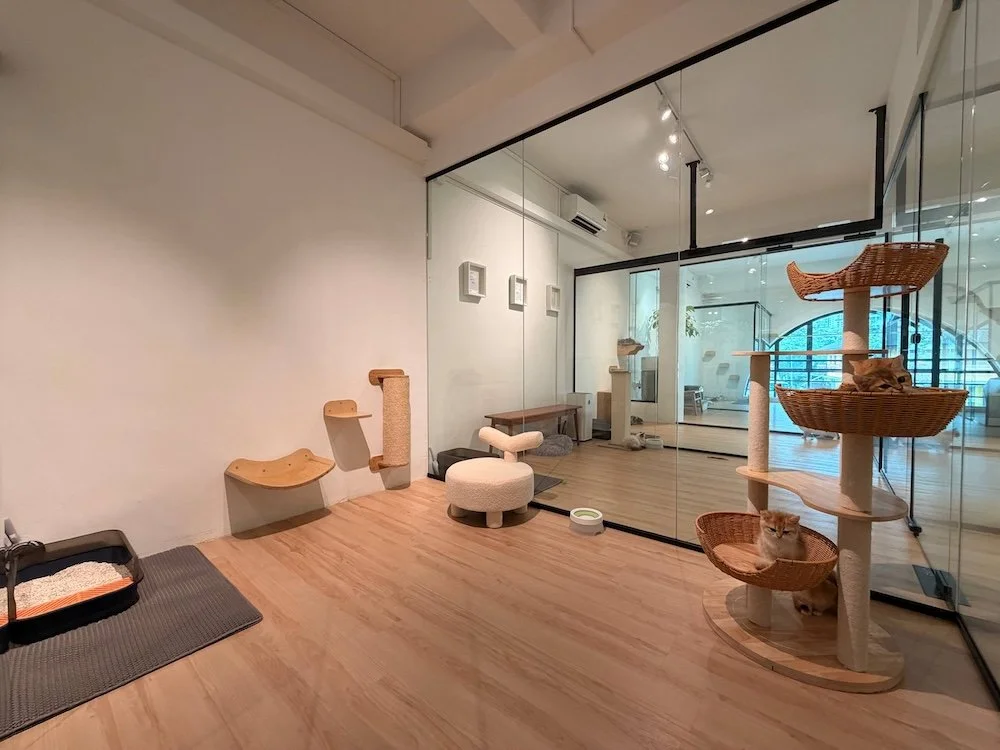
When you're readyCome and meet our British Longhair Kittens
The best way to know if a British Longhair is right for you is to spend a calm, unhurried hour with them in person. Reach out and we'll take it from there, at your pace.
Prefer to spend time with our cats first? Visit the Fluffydolls Cat Café ↗