Imported vs Locally Bred Kittens in Singapore: The Honest Guide
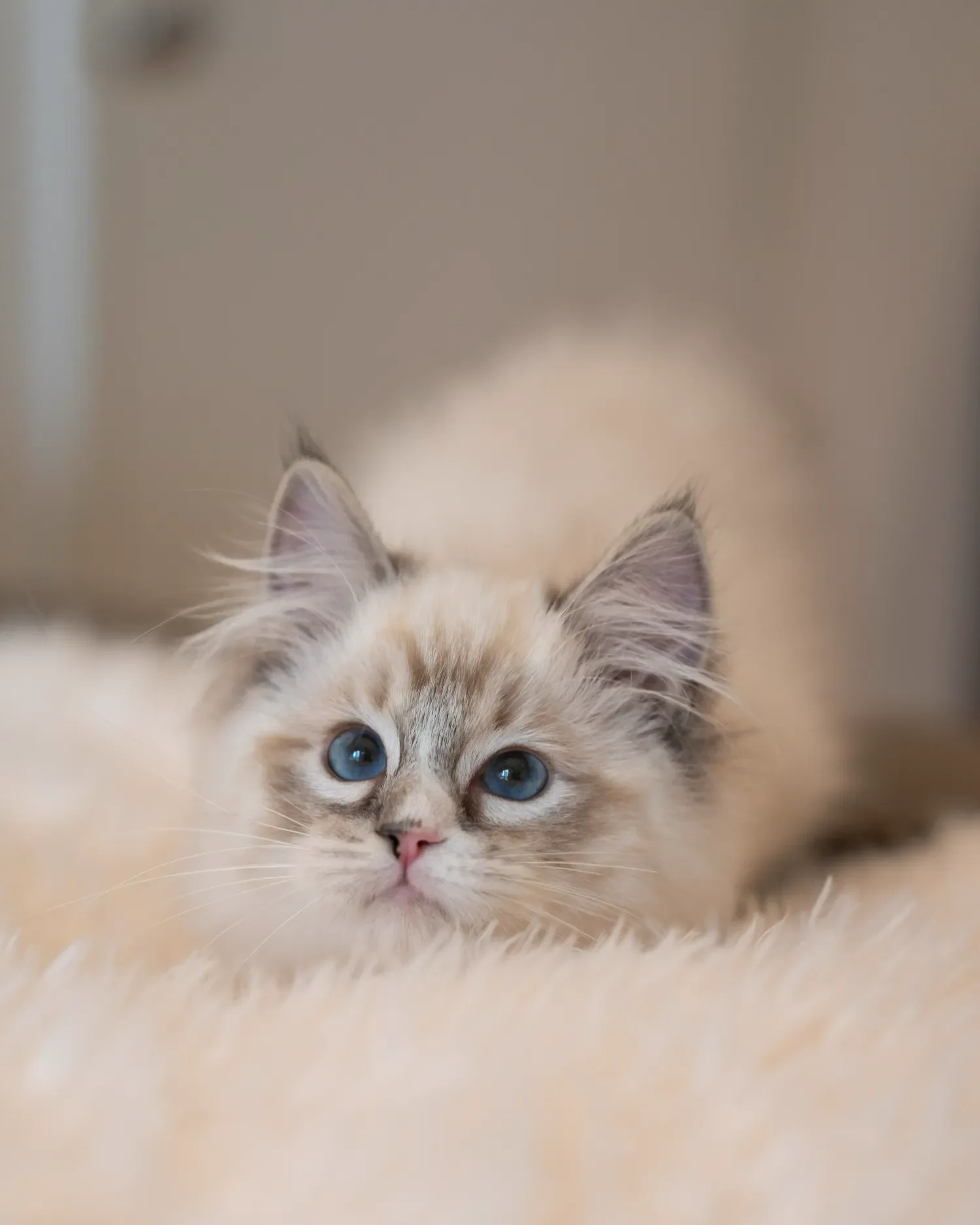
In short: Most pedigree kittens in Singapore are imported, because local breeding is only allowed under a commercial farm licence. Kittens can be brought in without quarantine from four rabies-free countries (the UK, Australia, Ireland and New Zealand), arriving at around three and a half months old after their vaccinations and a waiting period. Whether a kitten is imported or locally bred matters far less than how it was raised. A kitten socialised in a real home, from health-tested parents, will settle far better than one raised behind cages, wherever it comes from. Before you buy, check the breeder's home environment, the parents' health-test results, and the cattery's licensing and after-care.
If you have started looking for a pedigree kitten in Singapore, you probably noticed that almost all of them are imported, and you may be wondering whether that is a good thing or a risk. It is a fair question, and one we get asked at almost every viewing.
Here is the honest answer, from people who have been importing home-raised kittens for years and watching them grow up in Singapore homes.
Why most pedigree kittens in Singapore are imported
Singapore has very little local pedigree breeding, and there is a simple reason for it. Here, breeding cats is only permitted under a farm licence, which means operating at a larger, commercial scale. That model does not suit the kind of careful, home-based raising that produces a confident, well-socialised kitten, so most reputable catteries choose to import instead.
We took that path ourselves. We started as breeders before we became importers, and stepping away from local breeding was a deliberate decision. Cats deserve individual attention and a real home rather than a scaled-up operation, so we chose to work with a small circle of ethical breeders overseas who raise their cats the way we would.
How pedigree kittens are imported into Singapore
Singapore allows cats to be imported without quarantine from four countries recognised as rabies-free: the United Kingdom, Australia, Ireland and New Zealand. In practice, this is how it works:
- The kitten completes its core vaccinations and the required waiting period in its home country.
- It is examined by a government-approved vet and issued an export health certificate.
- It travels to Singapore at around three and a half months old, old enough to handle the journey safely.
- On arrival it is checked and settles into the cattery before going to its new family.
That timeline is why a responsible cattery will not hand over a very young kitten. The age requirement exists for the kitten's health, and it also gives us the time to assess each one properly.
Imported vs locally bred: the honest comparison
People often assume "imported" automatically means "better," or the opposite, that local is safer. Neither is true. What actually shapes a kitten is the environment it grew up in.
A home-raised imported kitten typically comes from a breeder whose cats live as family pets, with documented lineage and health-tested parents. The trade-off is that you are relying on the cattery to have chosen that breeder carefully and to stand behind the kitten.
A locally bred kitten means no import journey, and you may be able to visit the breeding cats directly. The catch is that genuine, ethical home breeding is rare in Singapore because of the farm-licence rule, so you have to look very closely at how and where the cats are actually kept.
The real question is not "imported or local," it is "was this kitten raised in a loving home, by someone who health-tests and socialises properly?" Every country has excellent breeders and careless ones. That is what we select for, wherever a kitten comes from.
Why we import from European home breeders
We work with a deliberately small group of European home breeders whose cats are treated as family pets, not part of a large operation. Because our own kittens keep coming back to us for grooming and boarding over the years, we get to watch how each line actually grows up in a Singapore home, and we feed that back to our breeders so the next generation keeps improving. Very few catteries ever get that kind of long-term feedback loop, and it is the quiet thing that makes the biggest difference. You can read more about [how we choose our breeders](/choosing-our-breeders).
What to check before you buy an imported kitten
Whether you buy from us or anyone else, these are the things worth verifying:
- Licensing and import documents. Ask for the cattery's AVS licence number. A licensed cattery in Singapore is a basic, non-negotiable starting point. For imported kittens, you can also check import permit QR, and verify the authenticity of the import permit online through the Animal & Veterinary Service (AVS) via the GoBusiness Licensing Portal.
- Health testing. Ask to see the parents' health-test results for breed-relevant conditions such as HCM, PKD and PRA, and confirm the kitten is FIV/FeLV-negative and government-vet examined.
- The home environment. A good breeder can show you how and where their cats live. Home-raised, well-socialised kittens arrive confident, not fearful.
- Age on arrival. A responsible cattery selects and places kittens once they are old enough to be properly assessed, not the moment they are weaned.
- After-care. Ask what happens after go-home day. The best breeders stay reachable for the life of the cat.
Should you import a kitten yourself, directly from an overseas breeder?
Some buyers consider importing directly to save the middle step. It is possible, but it carries real risk. You are judging a breeder you have never met, arranging export paperwork, vaccinations and travel logistics, and taking on a young kitten with no local support if something goes wrong in those first weeks.
A cattery that has built long relationships with its breeders, travels to meet them, and handles the health checks and settling-in exists precisely to take that risk off your shoulders. When you buy an imported kitten from an established cattery, you are really paying for the years of judgement behind the choice, not just the kitten.
Frequently asked questions
Where do imported pedigree kittens in Singapore come from?
Most come from breeders in the four rabies-free countries Singapore allows without quarantine: the UK, Australia, Ireland and New Zealand. Our own kittens come from a small circle of home breeders in Europe.
How old are kittens when they arrive in Singapore?
Around three and a half months, once they have completed their vaccinations and the required waiting period. We make our selection only once a kitten is at least ten weeks old, so its health and development can be properly assessed.
Are European bred kittens better than locally bred ones?
Country matters far less than how a kitten is raised. What makes the difference is a loving home environment, proper socialisation and health-tested parents. That is what to look for, wherever the kitten comes from.
Is it safe and ethical to buy an imported kitten?
Yes, when it is done properly. Reputable catteries import from home breeders, health-test, meet AVS import requirements, and have the kitten examined by a government vet before it travels. The key is choosing a cattery that is transparent about all of it.
Can I import a pedigree kitten myself instead of buying from a cattery?
You can, but you take on judging an unseen breeder, the export logistics, and a young kitten with no local support. An established cattery does all of that for you and stays responsible for the kitten afterwards.
Ready to meet them?
There's never any pressure. If you'd like to meet the cats in person, book a private viewing on WhatsApp, or browse the kittens we have available.

About the author
John is the co-founder of Fluffydolls Cattery in Singapore. He grew up on a farm surrounded by animals and started out as a breeder before becoming an importer. Today he and Grace work with a small circle of ethical European home breeders to raise healthy, well-socialised pedigree kittens, and they stay involved in every kitten's life long after go-home day.
About Fluffydolls Cattery:
A home-raised pedigree cattery in Singapore (AVS Licence AS22L00066), raising kittens from trusted European breeders for temperament, health and lifelong support.
